
Flea, Tick, Spider & Surface Insect Control in PA, MD, and VA
Lawn treatments are applied four times per year to reduce flea, tick, spider, and surface insect populations throughout the full outdoor season for your family and pets.
Why Your Lawn Is the Right Place to Manage Pest Pressure
Fleas, ticks, and other surface insects do not live primarily inside your home. They live in the lawn, in leaf litter, in tall grass along property edges, and in the ground cover around your foundation. Your yard is where they breed, where they wait for a host, and where your family and pets encounter them every time they go outside.
Treating the lawn directly is the most effective way to reduce pest populations where they live rather than reacting to individual bites or infestations after the fact. A consistent lawn treatment program keeps pest pressure low throughout the outdoor season, so your yard stays usable.
Pennsylvania, Maryland, and Virginia have some of the highest tick exposure rates in the country. Blacklegged ticks, which are the primary carriers of Lyme disease in this region, are active in lawns from spring through fall and do not stop with the arrival of cooler temperatures. Managing tick populations through regular lawn treatment is one of the most practical steps homeowners in this region can take.
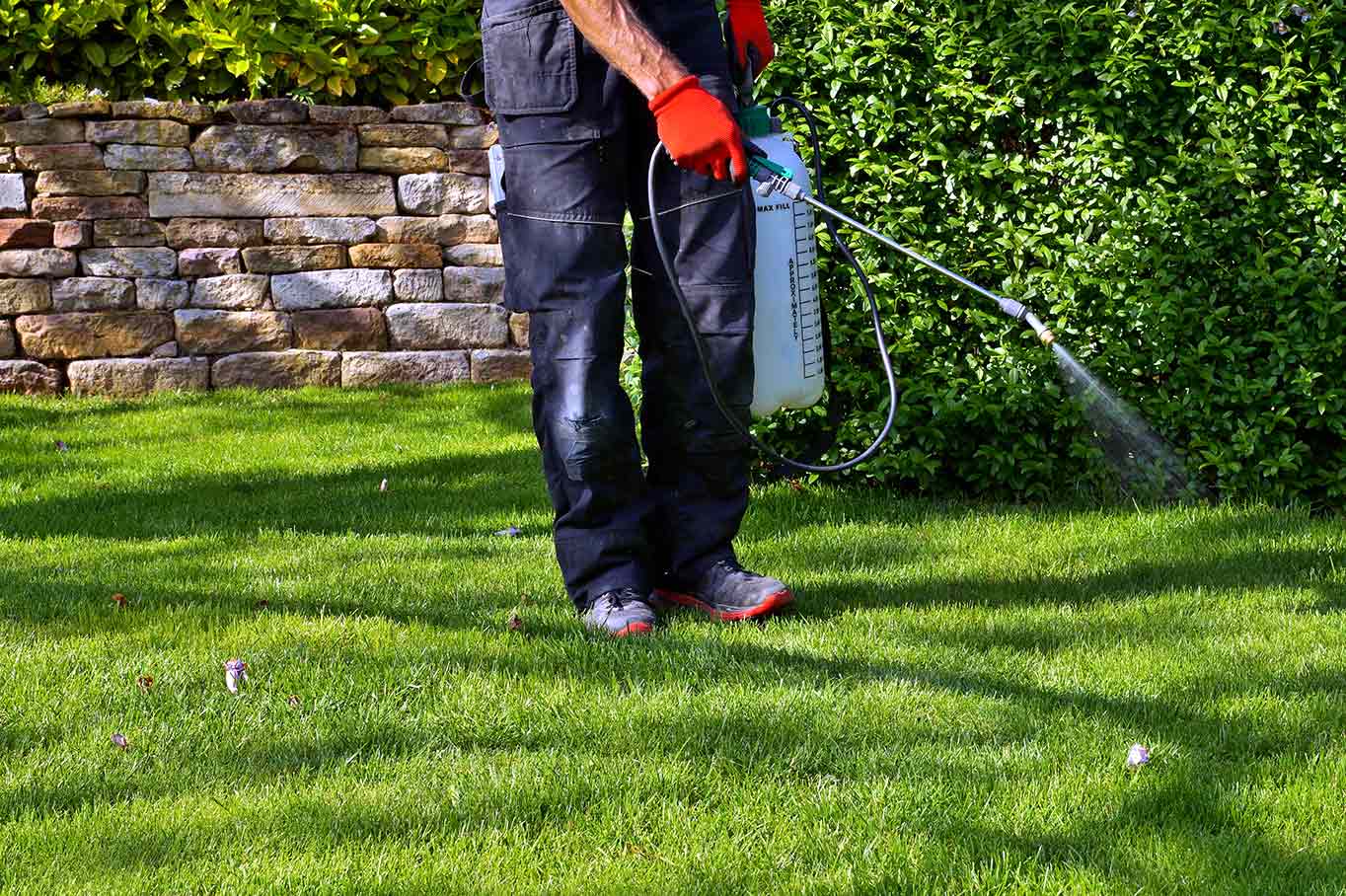

What TurfMedic Surface Insect Control Targets
Each treatment addresses the full range of surface insects active in lawns across Central PA, Western Maryland, and Northern Virginia. Here is what we target and why each matters.
Ticks
Blacklegged ticks are the most significant pest concern for PA, MD, and VA homeowners from a health standpoint. Tick nymphs are active from late spring through summer, and adult ticks are active again in fall, often becoming more aggressive as temperatures cool in September and October. Unlike many insects, ticks do not have an off-season. They are present and active in lawns for the better part of eight to nine months of the year in this region.
Ticks do not jump or fly. They climb to the tips of grass blades and low vegetation and wait for a passing host. A well-maintained lawn treated regularly has far lower tick populations than an untreated one, and reducing the tick population in your yard directly reduces the risk of exposure every time your family or pets go outside.
Fleas
Fleas thrive in warm, humid conditions and reach peak populations during summer. They live on lawns and are brought into the home primarily by pets that spend time outdoors. Once fleas establish indoors, controlling them requires treating both the home and the outdoor environment. Keeping flea populations low in the lawn through the outdoor season makes indoor infestation far less likely.
Flea activity does not stop until the first hard frost. Through August and September, populations remain high even as some homeowners assume the worst of the pest season has passed. Consistent lawn treatment through August and into fall is what keeps flea populations from gaining ground before the first hard frost.
Spiders
Most lawn spiders are not dangerous, but large populations become a nuisance when webs appear across play areas, seating areas, and entryways. Surface insect treatment reduces spider populations by targeting both the spiders themselves and the insect prey they depend on. Fewer surface insects in the lawn means fewer spiders with a reason to be there.
Other Surface Insects
Beyond ticks, fleas, and spiders, surface insect treatments address ants, chinch bugs, and other insects that establish in lawns and cause problems for both the turf and the people using the yard. Chinch bugs in particular can damage cool-season grasses directly by feeding on grass stems, and their damage is often misidentified as drought stress in mid to late summer.
When TurfMedic Applies Surface Insect Control
Surface insect pressure does not follow a single seasonal peak. Tick nymphs, fleas, and surface insects ramp up at different points through spring, summer, and fall. TurfMedic applies surface insect treatment four times across the season to maintain coverage through each stage of activity.
- Late spring (Visit 2): The first surface insect application of the year, timed as tick nymph activity begins and flea populations start building with warming temperatures.
- Early summer (Visit 3): Treatment continues as surface insect populations reach their seasonal peak. Tick nymphs remain active, fleas are at their highest numbers, and families are using the yard most frequently.
- Late summer (Visit 4): Coverage continues through August and into September when flea populations are still high and tick activity begins its fall resurgence.
Early fall (Visit 5): The final surface insect application of the year, timed to address the increase in adult tick activity that occurs as temperatures cool in September and October.

The four-visit schedule ensures there is no gap in coverage during the months when pest pressure is highest and outdoor activity is most common.
What to Expect After Surface Insect Treatment
Surface insect treatments work by reducing pest populations in the lawn. They do not create a zone where no insect can ever enter, and occasional individual pest encounters are still possible. Here is what most homeowners notice.
After each application: Keep the lawn dry for at least a few hours after treatment to allow the product to be absorbed and settle into the turf. Children and pets should stay off the lawn until it is dry.
Throughout the season: Homeowners on the program typically notice reduced visible pest activity, fewer ticks on people and pets after time spent outside, and less flea pressure for pets spending time in the yard. The results are most noticeable when compared with untreated seasons or untreated neighboring properties.
Important note: Lawn treatment reduces tick populations in the yard but is not a substitute for personal tick checks after outdoor time, especially in areas with woods, tall grass, or leaf litter adjacent to the property. Performing tick checks after outdoor activities remains important regardless of treatment.
Keep Your Yard Safe All Season Long
Ticks, fleas, and surface insects do not take a season off. Four treatments throughout spring, summer, and fall keep pest pressure in your yard consistently low, so you can use your outdoor space. Contact TurfMedic to get on the schedule or get a free quote.
Part of the TurfMedic Lawn Care Program: Surface insect control is applied during Visits 2, 3, 4, and 5. See the full season schedule in our https://turfmedic.com/services/
Common Questions About Surface Insect Control
How long is the lawn safe for kids and pets after treatment?
Once the application has dried, which typically takes one to two hours under normal conditions, the lawn is safe for children and pets. Drying time can be longer on cool or humid days. We use products registered for residential use, applied by licensed technicians. If you have a pet with known chemical sensitivities or want specific product details from your visit, contact us and we can provide that information.
Does lawn treatment eliminate ticks completely?
No, and any program that promises complete tick elimination should be viewed with caution. Ticks are mobile and can move into treated areas from adjacent woods, neighboring properties, and wildlife. What lawn treatment does is meaningfully reduce the established tick population in your yard, lowering the risk of exposure whenever you or your pets go outside. Combined with personal tick checks after being in the yard, regular lawn treatment is the most practical tool available for managing tick risk at the property level.
Are ticks really active in fall?
Yes. This is one of the most common misconceptions about ticks in the Mid-Atlantic. Adult blacklegged ticks become more active as temperatures drop in fall, not less. September, October, and even November are high-risk months for tick encounters in PA, MD, and VA. Adults are larger than nymphs and more easily spotted, but they are also more aggressive. The Visit 5 fall application specifically addresses this late-season tick resurgence.
My pet is already on flea prevention. Do I still need lawn treatment?
Pet-applied flea prevention protects the individual animal but does not reduce flea populations in the yard. Fleas that encounter a treated pet die, but the yard continues to harbor flea eggs, larvae, and adults that will encounter other hosts or re-infest the pet over time. Lawn treatment addresses the source rather than managing the symptom. The combination of pet-applied prevention and yard treatment provides more complete protection than either one alone.
