
Targeted weed control, a second round of premium fertilizer, and the start of pest protection for lawns entering their most active growth period of the year.
Why Late Spring Is When Weeds and Pests Make Their Move
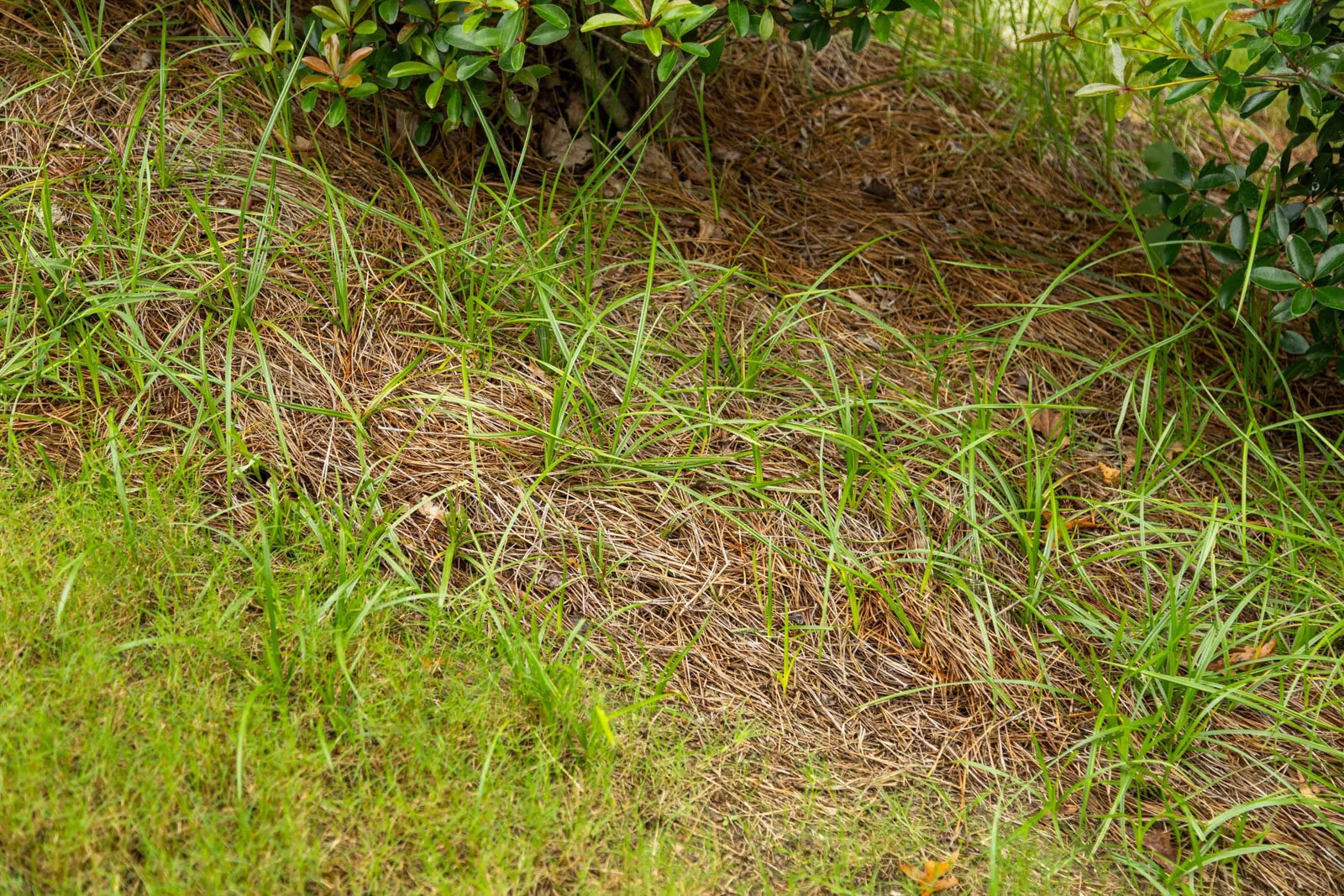
By late April and into May across Pennsylvania, Maryland, and Virginia, the lawn is no longer waking up from winter. It is in full growth mode, and so is everything trying to compete with it. The dandelions and clover that survived Visit 1 are now fully emerged and feeding hard. New broadleaf weeds are pushing through as soil temperatures continue to climb. And after weeks of warming weather, ticks, fleas, and surface insects are establishing in your lawn.
Late spring is one of the best times to treat broadleaf weeds. Plants that are growing hard take up herbicide faster and more completely than dormant ones, which means treatments applied now work quicker and reach deeper into the root system than they would earlier in the season. Weeds that shrugged off the early spring treatment often do not survive a late spring follow-up.
The fertilizer in Visit 2 is doing a different job than what went down in early spring. The focus now is on sustaining growth without overstimulating it ahead of summer heat. A balanced, slow-release feeding at this stage builds the turf density that carries your lawn through July and August.
Visit 2 is where the defensive work of early spring hands off to the heat management that starts in summer. Miss it and the weeds you started fighting in March get a second chance to take hold.
What Happens During Visit 2
Each treatment in late spring is chosen for what the lawn needs at this specific point in the growing season. Here is what we apply and why it matters.
Premium Fertilizer
The fertilizer we apply during Visit 2 is formulated differently than what went down in early spring. Your lawn has already broken dormancy and is growing well. What it needs now is sustained nutrition to keep that growth even and healthy without causing excessive top growth that struggles once summer temperatures arrive.
Pushing too much nitrogen in late spring on cool-season grasses like tall fescue and Kentucky bluegrass, which are common throughout Central PA and Northern Virginia, can produce soft, disease-prone growth heading into the hottest part of the year. The product we use at this stage is balanced to feed the roots and maintain turf density without overstimulating shoot growth.
Dandelion, Clover, and Broadleaf Weed Control
This is the primary focus of Visit 2. Dandelions, clover, and broadleaf weeds that came through winter and survived our early spring treatment are now at their most vulnerable. Temperatures are consistently in the range where selective herbicides work most effectively, and weeds at peak growth take up the treatment faster and more completely than they do in cooler conditions.
We also treat any new broadleaf weeds that germinated after Visit 1. Clover especially tends to thicken up in late spring as temperatures warm, and left untreated, it spreads quickly through areas where the lawn is thinner, or soil fertility is lower. Catching weeds while they are young and still establishing requires less product and produces better control than waiting until they are large and rooted in.
If you saw broadleaf weeds die back after Visit 1 but noticed regrowth coming in by mid-spring, that is exactly what Visit 2 is designed to address. One application rarely eliminates all broadleaf weeds permanently. Consistent follow-up through the season is what keeps them from taking over.
Flea, Tick, Spider, and Surface Insect Control
Ticks are active throughout spring and into summer across PA, MD, and VA, and by late spring flea and spider populations are building as temperatures stabilize. This is the point in the season when getting ahead of them matters most. Waiting until you spot a problem means the population has already had time to establish.
We treat your entire lawn during Visit 2 to create a barrier against fleas, ticks, spiders, and other surface insects. The treatment goes down where these pests live and move, in the thatch layer and at the soil surface, not just on the visible grass blades. This is the start of our pest control program, and each subsequent visit during the warmer months keeps it active.
Perimeter Pest Control
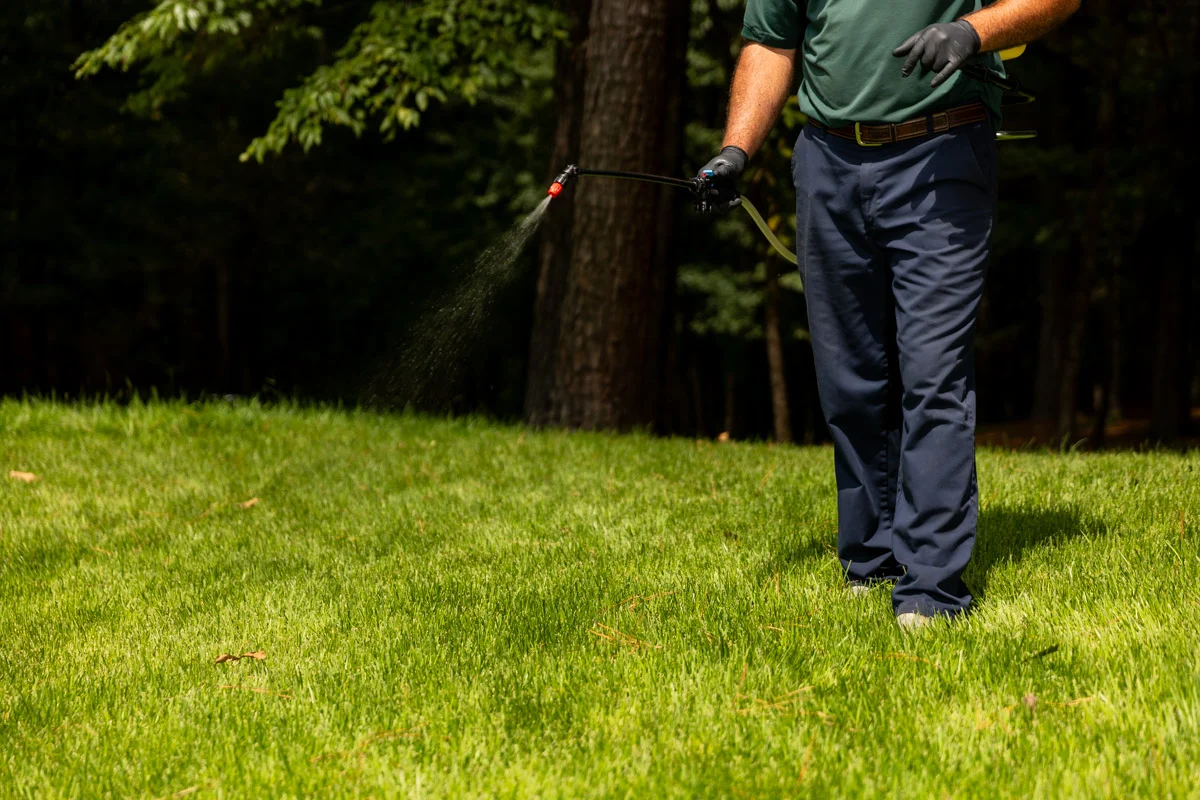
Most pest problems that end up inside a home start outside. Ants, spiders, and other insects travel from the lawn to the foundation and find their way in through gaps around doors, windows, and utility penetrations. Treating the perimeter of your home during the same visit that we treat the lawn means both pathways are covered at once.
We apply perimeter pest control to the exterior foundation zone of your home during Visit 2 and again during Visit 5 in early fall, when pest pressure picks back up as temperatures drop and insects look for shelter. Treating in spring and fall addresses pest movement when it is heaviest rather than chasing it in the middle of the season.
Soil Probiotics
Soil probiotics go down during Visit 2 to continue building the microbial activity we started in early spring. By late spring, soil temperatures are warm enough for beneficial microorganisms to be fully active, which means this application has more immediate impact than the one applied in March or early April when the ground was still cold.
A healthy soil microbiome at this stage helps your lawn absorb fertilizer more efficiently, break down thatch, and hold moisture ahead of summer. Applying probiotics consistently through the program builds the kind of soil biology that makes lawns more resilient to stress, not just better looking in the short term.
What to Expect After Visit 2
Results from Visit 2 come in over several weeks and build on what was established in early spring. Here is the general timeline for what homeowners see.
7 to 14 days: Treated broadleaf weeds will start showing visible signs of stress. Dandelions curl and yellow. Clover wilts and thins out. The process takes a bit longer in cooler or overcast weather, so do not judge the treatment too early. The herbicide is working even when you cannot see it yet.
Through May and June: The fertilizer keeps your lawn green and growing at a steady pace. You may notice your lawn holds its color better than neighboring yards that are not on a program. Surface insect activity should be noticeably reduced, particularly in areas where you have seen ticks or ants before.
Going into summer: Your lawn is dense, fed, and protected. The weed pressure from spring broadleaf species has been knocked back, pest control is active, and the soil biology is working toward the kind of root health that handles heat stress better. Visit 3 picks up from here with post-emergent crabgrass control and preventative grub treatment.
Common Questions About Late Spring Lawn Treatment
The dandelions came back after Visit 1. Does that mean the treatment did not work?
Not at all. Broadleaf weed control in early spring is applied under cooler conditions when weeds are still coming out of dormancy. It knocks back what is there, but it does not prevent new weeds from germinating as temperatures climb through April and May. That is why Visit 2 exists. Seeing some dandelions return between visits is normal and expected. The program is designed with multiple passes precisely because weeds do not stop after one application.
How long after the treatment should I wait before mowing?
Wait at least 24 hours after a liquid broadleaf herbicide application before mowing. Cutting too soon removes leaf surface the herbicide needs to absorb through before it can move into the root system. For granular fertilizer applications, getting a light watering or rain to move the product into the soil matters more than mowing timing, but 24 hours is still a good window either way.
Are the pest control treatments safe for my kids and pets?
Once the application has fully dried, the lawn is safe for children and pets. Drying time is typically one to two hours under normal conditions but can take longer on cool or humid days. We use professionally licensed technicians and products registered for residential use. If you have specific concerns about ingredients or need the product information for a pet with known sensitivities, we can give you the exact details from your visit.
There are still some weeds in my lawn after Visit 2. Is that normal?
Yes. No broadleaf weed control program produces a completely weed-free lawn after one or two visits. The goal is steady reduction over the season, not elimination in a single shot. New weed seeds blow in constantly from neighboring properties, and thin or bare spots in your lawn are more vulnerable because there is less turf competing with them. Visit 3 in early summer keeps the pressure on, and by mid-season, your lawn should look noticeably cleaner than untreated yards nearby.
Ready to Get Started?
Late spring is a short window. Once temperatures push into the upper 70s and 80s, some broadleaf treatments become less effective and the lawn shifts into summer stress management mode. If your lawn is not already on one of our residential lawn care programs, now is a good time to get on one before that window closes. Contact TurfMedic for a free quote.
Part of the TurfMedic Lawn Care Program: Visit 2 is Step 2 of our 6-visit program. Learn about all six visits and what each one covers in our turf care programs overview.
Previous visit: Visit 1 covered pre-emergent crabgrass control, early spring fertilization, and soil probiotics. See what happened during our early-spring treatment.
Next up: Visit 3 moves into early summer with post-emergent crabgrass control, preventative grub treatment, and continued surface insect protection. See what happens in Visit 3.
Recent Comments