
You’ve tried everything to get your lawn looking thick and green. You water regularly, mow at the right height, and even bought those bags of fertilizer from the hardware store. But when you look out at your yard, you still see thin patches, bare spots, and areas where the dirt shows through.
You’re not alone. Most homeowners in Greencastle face the same frustration. The good news? Grass seeding can transform your patchy lawn into the thick, healthy turf you’ve always wanted.
Professional grass seeding fills in those bare spots and creates a dense carpet of grass that crowds out weeds. It’s more affordable than replacing your entire lawn with sod. And when done correctly, it delivers results that last for years.
In this guide, you’ll learn everything about grass seeding for Pennsylvania lawns. We’ll cover the best timing, the process, and how to avoid common mistakes that waste your time and money.
What is Grass Seeding and Why Does Your Lawn Need It?
Grass seeding is exactly what it sounds like. You spread grass seed over your existing lawn to fill in thin or bare areas. The new seed germinates and grows, mixing with your current grass to create a thicker, healthier lawn.
Your lawn needs seeding when you notice thin spots that won’t fill in on their own. High-traffic areas wear down over time. Shade from trees can thin out sun-loving grass. Disease, pests, or harsh winters can leave behind bare patches that invite weeds.
Overseeding is a specific type of grass seeding. It means spreading seed over your entire lawn, not just problem areas. This thickens up the whole yard and introduces newer, more resilient grass varieties. Many homeowners overseed every fall to keep their lawns dense and competitive against weeds.
Best Time for Grass Seeding in Greencastle, PA
Fall is the best time for grass seeding in Pennsylvania. September through mid-October offers ideal conditions for seed germination. The soil stays warm from summer, but the air cools down. This combination helps grass roots grow strong before winter arrives.
Spring seeding can work, but it comes with challenges. You’re racing against summer heat and fighting crabgrass that germinates at the same time. New grass struggles when temperatures spike in June and July. Fall-seeded lawns have months to establish before facing summer stress.
For successful germination, soil temperatures should stay between 50-65 degrees. Your new grass needs consistent moisture for 2-3 weeks. Fall usually brings more rain, which means less work keeping the seed watered. The cooler weather also reduces evaporation, so your soil stays moist longer.
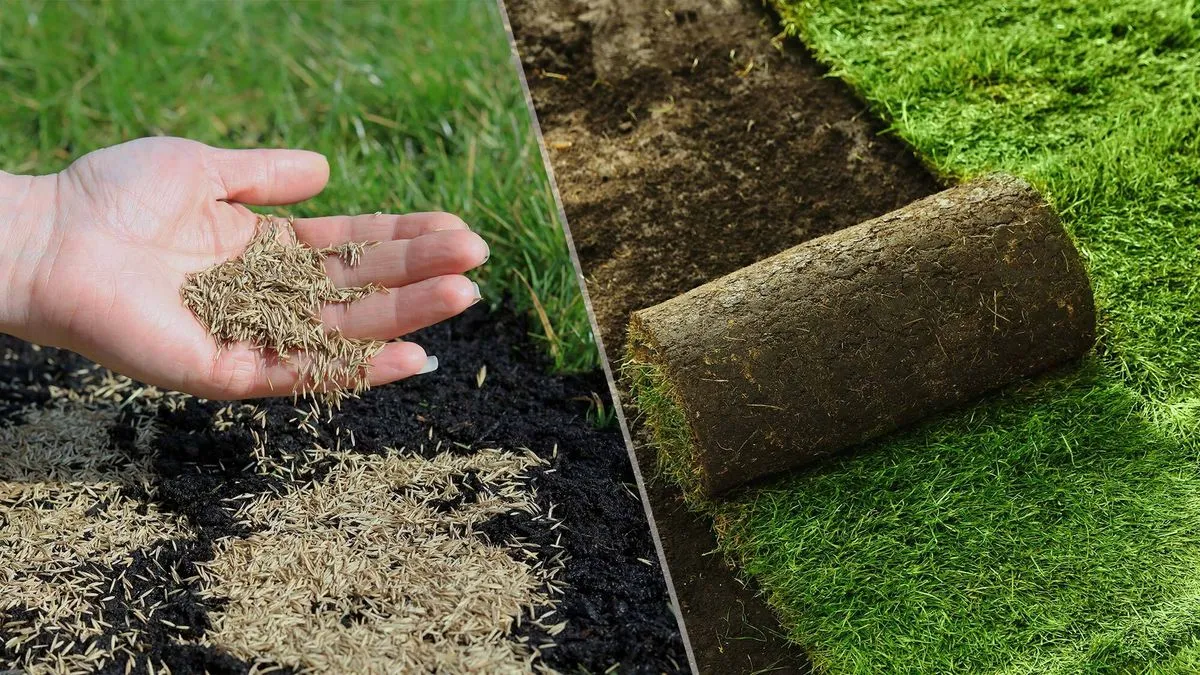
Grass Seed vs Sod: Which is Right for Your Lawn?
Grass seeding costs much less than installing sod. Seeding a typical yard might run a few hundred dollars. That same yard could cost thousands with sod. The price difference matters when you’re working with a budget.
Sod gives you instant results—your lawn looks green the day it’s installed. Grass seeding takes patience. You’ll wait 2-3 weeks to see sprouting and several months for full establishment. But seeded grass develops deeper, stronger roots than sod because it grows directly in your soil.
Choose grass seeding when you have time to wait and want to save money. It’s perfect for overseeding thin lawns or filling moderate bare patches. Pick sod when you need immediate results, like before a special event. Sod also works better on slopes where seed might wash away before germinating.
The Professional Grass Seeding Process
Professional grass seeding starts with proper soil preparation. The soil gets tested to check pH levels and nutrient content. Then the lawn is mowed short and any thatch buildup is removed. This ensures seeds make direct contact with the soil, which is critical for germination.
Choosing the right grass seed matters more than most homeowners realize. Pennsylvania lawns do best with cool-season grasses like tall fescue, Kentucky bluegrass, or perennial ryegrass. Shady areas need different seed blends than sunny spots. Professional-grade seed also contains higher germination rates than store-bought options.
Slice seeding gives better results than simply broadcasting seed on top. A specialized machine cuts grooves into the soil and drops seed directly into those slits. This protects seeds from birds and wind while ensuring good soil contact. After seeding, a starter fertilizer helps new grass establish quickly.
Common Grass Seeding Mistakes Homeowners Make
Even experienced homeowners make mistakes when seeding their lawns. These errors waste money and lead to disappointing results. Understanding what goes wrong helps you avoid the same problems or shows why professional service delivers better outcomes.
Poor Soil Preparation
- Spreading seed on compacted soil means poor germination
- Seeds need direct contact with loose, prepared soil to sprout
- Skipping soil testing can leave you applying seed to acidic or nutrient-poor ground
- Hard soil prevents roots from establishing even when seeds do germinate
Wrong Seed Selection
- Using generic “contractor mix” seed instead of quality varieties
- Planting sun-loving grass in shaded areas under trees
- Choosing cheap seed with low germination rates and weed seeds mixed in
- Ignoring your lawn’s specific conditions when buying seed
Incorrect Seeding Rates
- Applying too little seed creates thin, patchy results
- Using too much seed causes seedlings to compete and weaken each other
- Uneven distribution leaves some areas bare and others overcrowded
- Not calculating square footage correctly before buying seed
Inadequate Watering
- Letting seeded areas dry out during the critical first two weeks
- Watering too heavily and washing seeds away
- Watering at wrong times of day, causing disease or evaporation
- Stopping watering too soon before grass is fully established
Mowing Too Soon
- Cutting new grass before it reaches 3-4 inches tall
- Using dull mower blades that rip tender new grass
- Mowing when soil is still soft, creating ruts and damage
- Removing too much height on the first mowing, stressing young plants

How Much Does Grass Seeding Cost?
Grass seeding costs depend on your lawn’s size and condition. A typical quarter-acre yard might cost $300-$600 for professional seeding. Larger properties or lawns needing extensive preparation cost more. Slice seeding costs more than broadcast seeding but delivers better results.
DIY seeding seems cheaper at first glance. You’ll spend $50-$150 on seed and supplies for an average lawn. But without proper equipment, your results might disappoint. Failed seeding attempts mean doing the job twice, which costs more than hiring professionals initially.
Professional seeding includes soil testing, proper seed selection, and specialized equipment. You get starter fertilizer and expert advice on post-seeding care. The investment pays off with thicker grass that lasts for years. A healthy, dense lawn also reduces future costs by crowding out weeds naturally.
Maintaining Your Newly Seeded Lawn
Your new grass needs consistent moisture to germinate and establish. Water lightly 2-3 times daily for the first two weeks. Keep the top inch of soil moist but not soaking wet. Once grass reaches an inch tall, reduce watering to once daily.
Wait until your new grass reaches 3-4 inches before the first mowing. Set your mower to the highest setting for that initial cut. Never remove more than one-third of the grass height at once. Sharp mower blades are essential—dull blades tear young grass instead of cutting cleanly.
Apply fertilizer about 4-6 weeks after seeding when grass is actively growing. Avoid weed control products for at least 6-8 weeks since they can damage new grass. Your newly seeded lawn needs a full growing season to establish fully. By the following year, you’ll have thick, healthy turf that resists weeds naturally.
Conclusion
Grass seeding transforms thin, patchy lawns into thick, healthy turf that makes your neighbors jealous. It fills bare spots, crowds out weeds, and costs far less than replacing your entire lawn. When done at the right time with proper preparation, seeding delivers results that last for years.
Professional grass seeding takes the guesswork out of the process. You get the right seed for your specific conditions, proper soil preparation, and expert timing. As a top lawn treatment for Pennsylvania homeowners, local knowledge matters—understanding Greencastle’s climate and soil conditions makes the difference between success and frustration.
Ready to get the thick, green lawn you’ve always wanted? Turf Medic brings professional expertise and quality results to every seeding project. Contact us for a free lawn evaluation and discover how grass seeding can transform your yard into the neighborhood’s best-looking property.
Recent Comments