
Targeted herbicide treatment for crabgrass that broke through the pre-emergent barrier, applied while plants are still small and most vulnerable to control.
Why Crabgrass Needs to Be Treated After It Emerges
Pre-emergent crabgrass control stops most germination in spring, but it does not stop all of it. The barrier breaks down over time, thin or disturbed areas are vulnerable to breakthrough, and edges near pavement where soil heats faster often see crabgrass germinate after the pre-emergent window has passed. By early summer, that crabgrass is visible in the lawn and still small enough to treat effectively.
This is the window post-emergent control is designed for. Crabgrass plants in early summer have germinated and established but have not yet tillered, meaning they have not branched into the spreading, multi-stem structure that makes them harder to kill. A post-emergent herbicide applied to young, pre-tiller crabgrass is far more effective than the same product applied to mature plants later in the season.
Timing matters here for a second reason: seed production. A single crabgrass plant that goes untreated through summer can produce tens of thousands of seeds before it dies in fall. Those seeds overwinter in the soil and germinate next spring, adding to the seed bank that makes crabgrass harder to control year over year. Treating crabgrass in early summer stops the current plants and limits how much next year’s population grows.
How Post-Emergent Crabgrass Control Works
Unlike pre-emergent herbicide, which works in the soil before seeds sprout, post-emergent herbicides are absorbed through the leaves and stems of actively growing crabgrass plants. The product moves through the plant’s vascular system and disrupts growth processes, causing the plant to turn yellow and brown, and to die over a period of one to three weeks after treatment.
Several factors determine how well post-emergent control works on a given application.
- Plant size. Post-emergent is most effective on crabgrass with fewer than four tillers. Larger, more established plants require higher rates, additional applications, and may still show incomplete control. This is why early summer treatment produces better results than waiting until August.
- Temperature. Application temperature affects both efficacy and the risk of off-target damage. Liquid herbicide applied when temperatures are forecast to exceed 85 degrees can volatilize and drift to ornamentals, shrubs, and garden beds nearby. We work around the forecast to apply when conditions support effective, targeted treatment.
- Rain after application. Most post-emergent crabgrass herbicides require a dry period of at least four to six hours after application for the product to be fully absorbed. Rain immediately following application can wash the product off the leaf surface before it moves into the plant.
- Mowing. Mowing too soon after application removes treated leaf surface before the herbicide has fully moved into the plant. We recommend waiting two to three days after treatment before mowing.

What to Expect After Post-Emergent Treatment
Post-emergent crabgrass control does not produce an overnight result. The plant needs time to absorb the herbicide and show a response. Here is what to expect in the days and weeks following treatment.
Days 3 to 7: Treated crabgrass plants will begin to show discoloration, typically yellowing or a reddish tint, as the herbicide moves through the plant. The surrounding desirable grass is unaffected.
Days 10 to 21: Treated plants continue to decline and die back. Smaller plants with fewer tillers will die faster and more completely. Larger, more mature plants may take longer and may require a follow-up application if the initial treatment produced incomplete control.
After dieback: Dead crabgrass leaves behind bare spots where it was growing. If the surrounding turf is dense enough, it will fill in over those areas on its own. Thin areas may need overseeding in late summer or early fall to close the gaps. Note that late summer to early fall is the correct overseeding window for PA, MD, and VA lawns, not immediately after crabgrass treatment in summer.
What Post-Emergent Control Cannot Do
Post-emergent crabgrass control is an important part of the program, but it is not a substitute for a well-timed pre-emergent application in spring. Here is what it cannot do.
- It cannot prevent germination. Post-emergent only works on plants that have already emerged. Seeds still in the soil are unaffected.
- It is less effective on mature plants. Crabgrass treated in August or September after it has fully tillered and begun producing seed, is much harder to kill than crabgrass treated in June. Partial control is common on large, mature plants.
- It does not undo seed drop. If a plant has already produced and dropped seed before treatment, those seeds are already in the soil. Treatment stops the current plant but does not recover seeds already lost to the lawn.
- It cannot fill bare spots. Once treated crabgrass dies, and the space it occupied is bare. A dense, healthy lawn recovers those areas more quickly, which is one more reason the full six-visit program produces better results than standalone treatments.
The most effective crabgrass management combines pre-emergent control in spring with post-emergent spot treatment in early summer. Each one does what the other cannot, and together they cover the full season.
Catch It Early Before It Spreads
The smaller the crabgrass plant, the better the result. Contact TurfMedic to schedule treatment or ask about getting on our full top lawn care packages for season-long crabgrass management.
Related service: For stopping crabgrass before it germinates, see our pre-emergent crabgrass control page.
Common Questions About Post-Emergent Crabgrass Control
How do I know if I have crabgrass or just a different grass type?
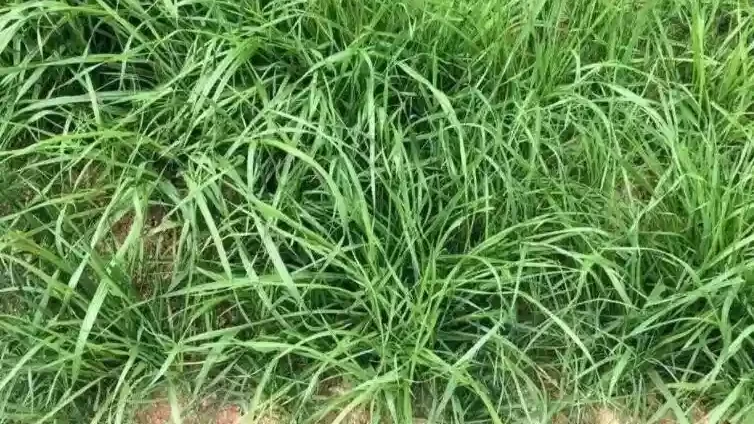
Crabgrass has a few distinct visual characteristics. The blades are wider and lighter green than most desirable cool-season grasses like tall fescue and Kentucky bluegrass. It grows in a low, spreading pattern that radiates outward from a central point, often lying flat against the soil rather than growing upright. By midsummer, it develops a distinctive seed head that looks like fingers extending from a central stem. If you are unsure what you are looking at, send us a photo before your Visit 3 appointment and we can confirm before treating.
Will post-emergent herbicide hurt my other grass?
Post-emergent crabgrass herbicides are selective, meaning they are formulated to target grassy weeds like crabgrass while leaving desirable cool-season turf grasses largely unaffected. However, some products can cause temporary stress or discoloration in fine fescue varieties when applied in hot weather. Our technicians use products and application methods appropriate for your specific turf type and apply under conditions that minimize the risk of stress to the surrounding lawn.
I have a lot of crabgrass. Will one treatment take care of it?
It depends on the size of the plants and how established they are. Small, young crabgrass caught early in the season typically responds well to a single application. Large, mature plants treated later in summer often require multiple applications and may still show incomplete control. For a lawn with significant crabgrass pressure, the most realistic path to a clean result is a multi-year approach: tighten the pre-emergent timing in spring, hit any breakthrough early in summer while plants are small, and improve turf density over time so there is less bare ground for crabgrass to colonize.
Can I treat crabgrass myself with a product from the store?
Consumer post-emergent crabgrass products are available and some of them work, but the results depend heavily on timing, rate, and application conditions. The most effective active ingredients for post-emergent crabgrass control, including those used in professional programs, are not always available at retail concentrations. If you have a small number of crabgrass plants in an otherwise healthy lawn, a retail product applied correctly can help. For widespread infestation or a lawn already struggling with thin turf, a professional program produces more consistent results.
Recent Comments