
Post-emergent crabgrass control, preventative grub treatment, and full surface and perimeter pest coverage for lawns entering the hottest stretch of the year.
Why Early Summer Is a Critical Window for Your Lawn
The spring-to-summer transition brings two of the most time-sensitive treatments of the entire program. Miss either window, and you are dealing with the consequences for the rest of the season. What we put down during Visit 3 has a direct impact on how well your lawn holds up through July and August.
This is when crabgrass that slipped through the pre-emergent barrier in spring becomes visible. Young crabgrass plants at this stage have not yet tillered, meaning they have not branched and spread. Post-emergent herbicide works best on crabgrass at this size. Wait until August and the plants are large, seeding, and far harder to control without multiple applications.
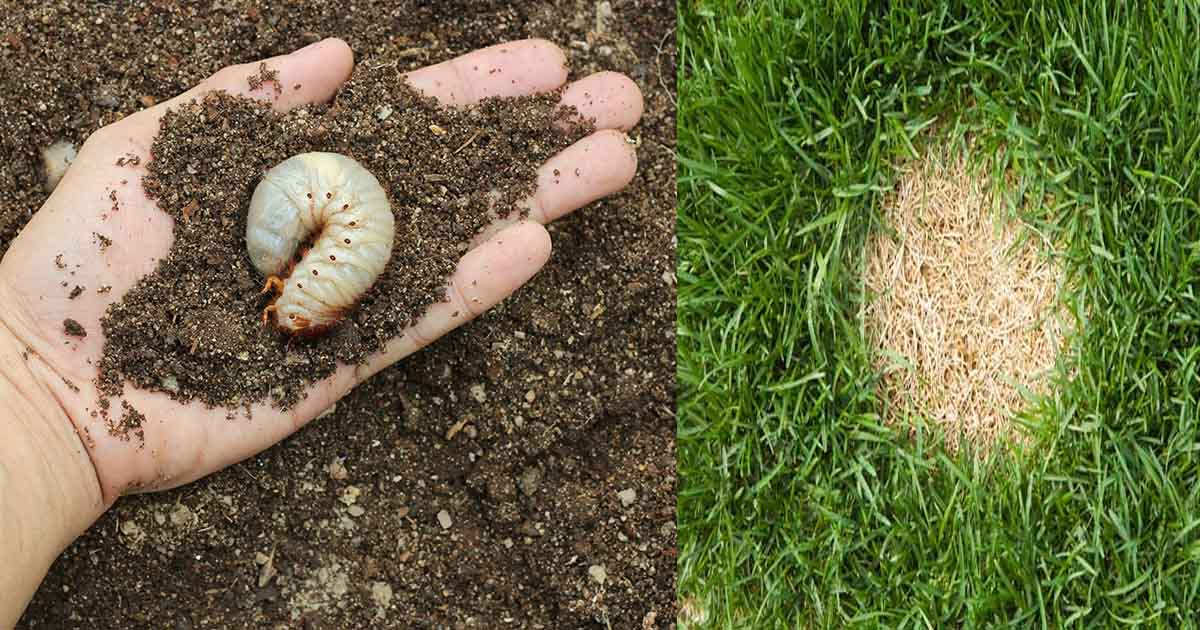
June and early July are also the window for preventative grub control. Japanese beetles and other beetle species are laying eggs in lawns right now. Those eggs hatch into grubs in mid to late summer and immediately begin feeding on grass roots. Apply grub control before they hatch, and you stop the problem before it starts. Apply it after, or not at all, and you spend late summer dealing with brown patches and dead turf that peels back like a rug.
Surface pest pressure is also at its peak during these months. Ticks, fleas, and other insects are at their highest population levels throughout June and July, and families are spending more time outdoors. Visit 3 keeps the pest barrier active across your entire lawn and renews the perimeter protection around your home’s foundation.
What Happens During Visit 3
Each treatment applied during Visit 3 targets something specific to this point in the growing season. Here is what we put down and why.
Post-Emergent Crabgrass Control
Even with a well-timed pre-emergent application in early spring, some crabgrass breaks through. Thin spots, areas near pavement where the soil heats faster, and locations where the pre-emergent barrier was disrupted by heavy rain or early mowing are all places where crabgrass can germinate after the barrier window.
We target that crabgrass now, while the plants are still small and have not spread or dropped seeds. A post-emergent herbicide applied to young crabgrass is far more effective and requires fewer applications than one applied to mature, spreading plants later in the season. Left alone, a single crabgrass plant can produce tens of thousands of seeds that overwinter and germinate again next year.
Preventative Grub Control
Grubs are the larvae of beetles, most commonly Japanese beetles and chafer beetles in the Mid-Atlantic region. Adult beetles lay their eggs in lawns during June and July. Those eggs hatch into grubs by mid to late summer, and the larvae immediately begin feeding on grass roots just below the soil surface. By the time you notice the turf browning and pulling away from the ground, the damage is already severe.
Preventative grub control applied in June or early July gets into the soil before the eggs hatch. It targets the young larvae when they are near the surface, which is when treatment is most effective. Curative applications made in late summer after grubs have grown larger and moved deeper are significantly less reliable. One well-timed preventative application protects your lawn through the entire grub season.
Dandelion, Clover, and Broadleaf Weed Control
Broadleaf weed control continues during Visit 3. By early summer, the weeds that survived our spring treatments have had more time to spread, and new germination from seeds that blew in or were already in the soil keeps the pressure coming. We treat what is visible and active, keeping the overall weed population from gaining ground as we head into the hotter months.
One note on timing: we avoid liquid broadleaf herbicide applications when air temperatures are forecast to exceed 85 degrees. High temperatures increase the risk of volatilization, where the herbicide turns to vapor and drifts to ornamentals, shrubs, and gardens nearby. We work around the forecast to apply when conditions are right for effective, targeted control.
Flea, Tick, Spider, and Surface Insect Control
Surface insect pressure peaks during summer. Ticks remain active throughout June and July across PA, MD, and VA, and fleas and other surface insects are at their highest population levels during the warm months. The treatment we apply during Visit 3 keeps the barrier active and maintains the protection established during Visit 2.
This is also when families are spending the most time outdoors, making consistent coverage through peak summer the most important stretch of the pest control program for households with children and pets.
Perimeter Pest Control
Insects that establish in your lawn during the summer do not stay there. Ants, spiders, and other pests travel from the lawn to the foundation and find their way into the house through gaps around doors, windows, and utility penetrations. Visit 3 includes a perimeter treatment to the exterior foundation zone of your home, creating a barrier at the point where lawn insects are most likely to make that move.
Summer is when this protection matters most. Insect populations are at their peak, activity levels are high, and the combination of lawn treatment and perimeter treatment applied during the same visit means both pathways are covered at once.
Soil Probiotics
Soil probiotics go down again during Visit 3 to keep the microbial activity building. By early summer, warmer soil temperatures allow the beneficial microorganisms to work at full capacity, breaking down thatch, improving moisture retention, and making nutrients more available to grass roots. This is when the biology we have been building since early spring starts showing real results.
Lawns with healthy soil biology handle dry stretches better. They hold moisture more efficiently, which reduces the need for supplemental watering, and they recover from drought faster once conditions improve. Skipping probiotic applications in the middle of the program is one of the fastest ways to lose the soil health gains from the earlier visits.

What to Expect After Visit 3
The changes from Visit 3 are less visible than what you saw in spring. Here is what homeowners typically notice.
2 to 3 weeks: Any small crabgrass plants that were treated will yellow and die back. You may see a temporary color change in the treated areas before they fill in. This is normal. The surrounding lawn grass is unaffected.
Through June and July: Surface insect activity should be noticeably reduced. The grub control is in the soil doing its job before the eggs hatch. You will not see that protection working, but you will notice it in August when neighboring lawns develop brown patches and yours does not.
Late summer: A lawn that has been through Visits 1, 2, and 3 is in a strong position for the hottest part of the year. Pest pressure is controlled, crabgrass has been knocked back, and the soil biology is actively supporting moisture retention. Visit 4 follows up with maintenance lime and targeted spot treatments to carry the lawn through to fall.
Common Questions About Early Summer Lawn Treatment
Why is there still crabgrass if pre-emergent was applied in spring?
Pre-emergent creates a barrier in the soil but it does not last the entire season. By late spring and early summer, that barrier starts to break down, especially in areas with heavy rain or high soil temperatures. Thin spots in the turf, areas near driveways and sidewalks where the soil heats faster, and any spots where the barrier was disrupted by early mowing can all see crabgrass germinate after the pre-emergent window. That is exactly what post-emergent control during Visit 3 is designed to address.
Why does grub control timing matter so much?
Preventative grub products work by getting into the soil before the eggs hatch. Once grubs are in the ground and feeding, they move deeper as summer progresses and become far harder to reach with curative treatments. Applying preventative control in June or early July catches them in the window between egg-laying and hatching. A curative treatment applied in August after damage is already visible is less effective and cannot undo the root loss the grubs have already caused.
Are the pest control treatments safe for my kids and pets?
Once the application has fully dried, the lawn is safe for children and pets. Drying time is typically one to two hours under normal conditions but can take longer on cool or humid days. We use professionally licensed technicians and products registered for residential use. If you have specific concerns about ingredients or need the product details for a pet with known sensitivities, we can give you the exact information from your visit.
I did not start the program until now. Is it too late to get on one for this year?
It is not too late, but the treatments available now are different from what we would have applied in spring. The pre-emergent window has passed, but we can still apply post-emergent crabgrass control, preventative grub treatment, broadleaf weed control, pest control, and soil probiotics. The lawn will not have the full benefit of the spring visits, but getting on a program now still protects against grub damage, keeps pest pressure down through summer, and sets your lawn up much better for fall recovery than doing nothing at all.
Ready to Get Started?
The grub control window in particular, is one you do not want to miss. Once grubs are in the ground and feeding, your options narrow fast. Contact TurfMedic to schedule your early summer treatment or get a free quote.
Part of the TurfMedic Lawn Care Program: Visit 3 is Step 3 of our 6-visit program. See everything that is included in our top lawn care programs.
Previous visit: Visit 2 covered broadleaf weed control, a second fertilizer application, and the start of our pest control program.
Next up: Visit 4 focuses on maintenance lime, targeted weed spot treatments, and continued pest control to carry your lawn through the second half of summer. See what happens in Visit 4.
Recent Comments