
You water regularly. You fertilize on schedule. You tackle weeds as they pop up.
But your grass still looks thin and patchy. Meanwhile, the neighbor’s lawn stays lush and green all season.
The problem hides beneath the surface. Compacted soil blocks water, air, and nutrients from reaching grass roots. Even the best fertilizer sits on top doing nothing when soil packs down tight.
Core aeration in Greencastle fixes this by pulling small plugs from your yard. These holes open channels deep into the soil. Water and nutrients finally reach the root zone where grass needs them most.
Franklin County’s clay-heavy soil compounds the issue. Clay particles pack together naturally and form an almost concrete-like barrier. Add foot traffic and our freeze-thaw cycles, and you’ve got severely compacted ground.
Aeration reverses this damage quickly. Within weeks, you’ll notice grass filling in bare spots and developing richer color. The transformation happens from the ground up as roots spread into newly opened soil.
What Is Core Aeration and Why Your Greencastle Lawn Needs It
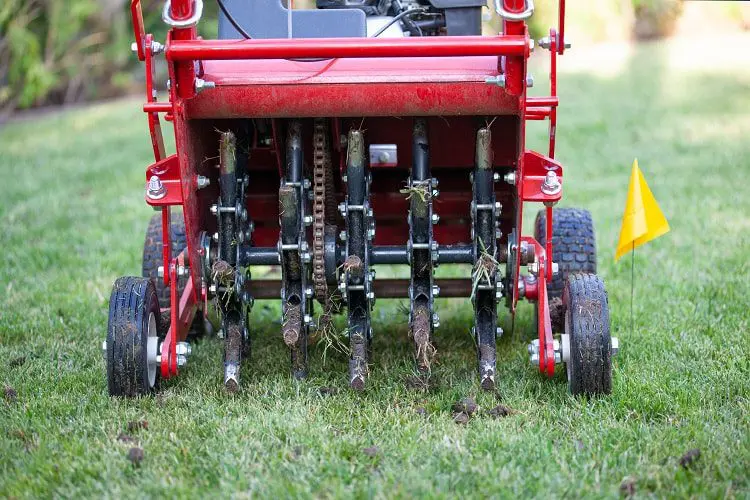
Core aeration removes small plugs from your yard using hollow tines. The machine looks like a heavy mower with metal tubes instead of blades. These tubes punch into the ground about three inches deep.
Each pass pulls hundreds of soil cores. The tines remove them completely rather than just poking holes. You’ll see these finger-sized plugs scattered across your grass after the service.
Those plugs break down naturally over a few weeks. Rain and mowing crumble them back into the soil. They actually return beneficial microbes and nutrients to your lawn.
Spike aeration works differently and delivers worse results. Spikes push soil sideways and down, making compaction worse. Core aeration removes soil completely, creating genuine space for air and water.
Greencastle sits on Pennsylvania’s clay belt. Our soil composition runs high in clay particles that stick together tightly. When clay dries out, it becomes hard as pavement.
Winter makes things worse. Freeze-thaw cycles compress the soil layer by layer. Each freezing period squeezes particles closer together. Spring rains then sit on top instead of soaking through.
Foot traffic adds the final blow. Kids playing, pets running, even walking to the mailbox packs soil down. Over months and years, grass roots get trapped in an ever-shrinking space. Eventually, the roots can’t spread enough to support healthy growth.
Compacted ground rejects water instead of absorbing it. You run the sprinkler and watch half the water roll into the street. Fertilizer washes away in the next rain. Grass roots suffocate slowly without access to oxygen.
Signs Your Lawn Needs Core Aeration
Your grass sends clear signals when compaction becomes a problem. Watch for these common indicators around Greencastle properties:
- Puddles form after watering or rain. Water pools on the surface instead of soaking through. Healthy soil absorbs moisture within minutes. Compacted ground repels it like a waterproof barrier.
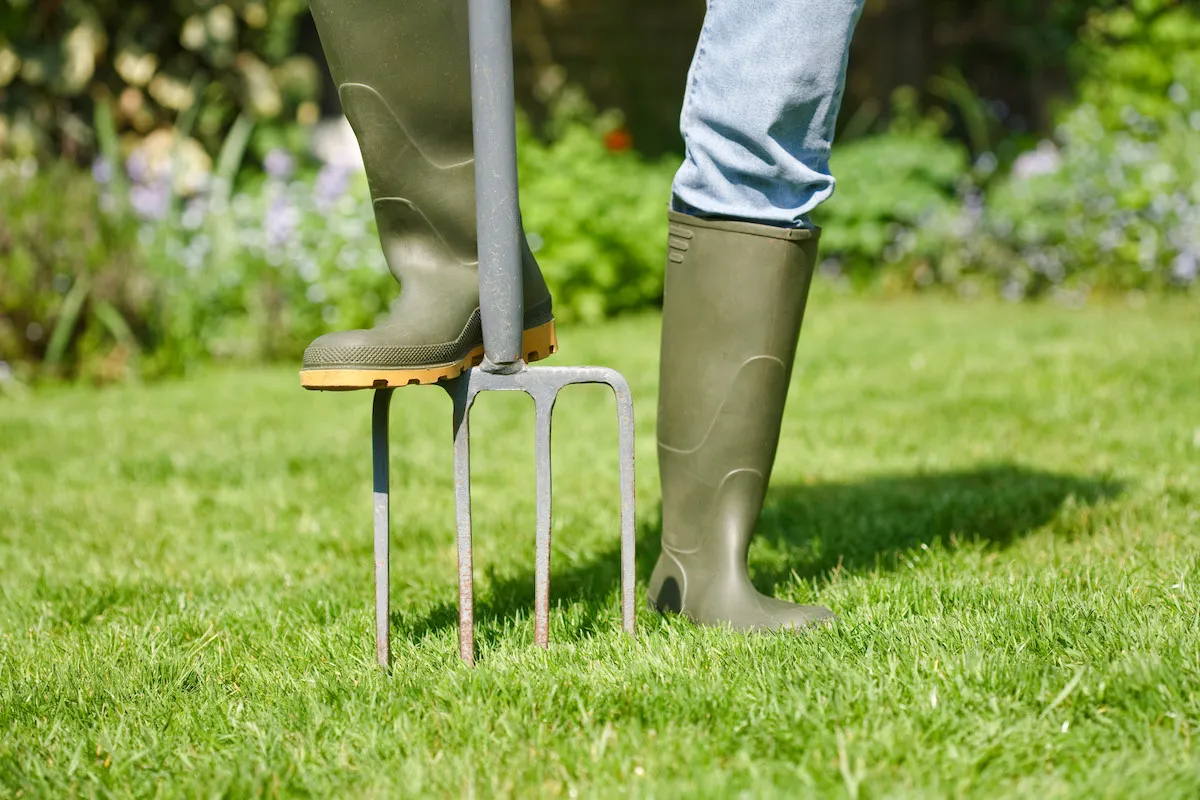
- The screwdriver test fails. Push a long screwdriver into your lawn. It should slide in with light pressure. If you struggle to get three inches deep, compaction has taken over.
- Fertilizer produces no visible improvement. You follow the schedule but grass stays thin and pale. The nutrients never penetrate to root depth. They sit on top or wash away untouched.
- Thatch measures thicker than half an inch. That spongy layer between soil and green grass needs checking. Pull back a small section and measure the brown cushion. Anything over half an inch signals trouble.
- High-traffic zones look worn and thin. Places where people walk regularly show damage first. The grass there looks sparse compared to areas that see less use. These paths reveal what compaction does over time.
- Clay dominates your soil composition. Franklin County soils run heavy with clay. If you’ve got red or gray clay when you dig, you’re fighting compaction whether symptoms show yet or not.
- The ground feels hard underfoot. Walk across your yard barefoot. Healthy soil gives slightly when you step. Compacted ground feels solid and unyielding like packed dirt on a hiking trail.
The Best Time for Core Aeration in Greencastle
Timing determines whether aeration transforms your lawn or wastes money. Get the schedule right and grass bounces back fast.
Early Fall: The Ideal Window for Pennsylvania Lawns
Late August through October offers the best conditions for core aeration in our area. Soil stays warm from summer but air temperatures drop. This combination creates perfect recovery conditions.
Kentucky bluegrass, tall fescue, and perennial ryegrass dominate Greencastle lawns. These cool-season varieties thrive when temperatures fall between 60-75 degrees. They focus energy on root development rather than top growth.
September aeration gives grass two full months to recover before frost. Roots push into the newly opened soil spaces. By winter, your lawn has established deeper anchoring and better nutrient access.
Why Fall Beats Spring in Our Climate
Spring aeration can help severely damaged lawns. If compaction is choking your grass, any relief helps. But spring timing creates problems that fall avoids.
Crabgrass seeds germinate in disturbed spring soil. Those aeration holes give weeds perfect germination spots. You end up fighting an explosion of unwanted growth alongside your grass recovery.
Summer heat arrives quickly after spring aeration. Grass has maybe six weeks to heal before temperatures spike. Stress from heat compounds stress from the mechanical damage of aeration.
Fall gives your lawn four to five months of ideal growing weather. Roots develop extensively through fall and even during winter’s mild periods. The grass enters summer with established depth and drought resistance.
Pairing Aeration with Other Fall Treatments
Overseeding works best immediately following aeration. Fresh holes give grass seed direct soil contact. Seeds nestle into these openings and germinate at much higher rates than surface-broadcast seed.
Fertilization within 48 hours delivers nutrients straight to root depth. The timing matters because holes start closing as roots grow and soil settles. Early application maximizes penetration.
This combination transforms struggling lawns in a single season. Each treatment amplifies the others. Grass thickens, color deepens, and density increases visibly by spring.
How Core Aeration Transforms Your Lawn
Aeration creates changes you can measure and see. The improvements build on each other as roots respond to better growing conditions.
Water Actually Reaches the Root Zone
Compacted ground sheds water like a roof. You watch your irrigation roll down the driveway. Half your water bill gets wasted on runoff.
Aeration opens vertical channels through the compacted layer. Water follows these paths down to where roots can absorb it. Puddles disappear because moisture soaks through instead of pooling.
Grass stays hydrated longer between waterings. The soil holds moisture at depth rather than losing it to evaporation. You’ll run your sprinklers less often while maintaining better growth.
Fertilizer Stops Going to Waste
Granular fertilizer sitting on hard ground does nothing for grass. Rain washes it into storm drains before roots can access any nutrients. You’re basically donating fertilizer to the local water treatment plant.
After aeration, nutrients drop into those holes and make direct contact with roots. Grass absorbs nitrogen, phosphorus, and potassium at much higher rates. You get actual results from every application.
The difference shows up in color and vigor. Grass that barely responded to feeding suddenly develops a deep green color. Growth becomes noticeably more robust within three to four weeks.
Roots Spread Deeper and Wider
Shallow root systems create weak, stress-prone lawns. When roots can only spread in the top inch of soil, grass struggles during any adversity. Heat, drought, or disease quickly damages shallow-rooted turf.
Aeration frees roots to push down into lower soil layers. They follow the oxygen and moisture in those channels. Within a season, root depth can double from two inches to four inches.
Deep roots access moisture and nutrients that surface roots never reach. During July and August dry spells, deep-rooted grass stays green while shallow-rooted neighbors turn brown.
Thatch Breaks Down Naturally
Heavy thatch layers block everything like a second compaction layer. Water can’t penetrate it. Air doesn’t flow through it. Disease and insects thrive in the dead material.
Aeration introduces oxygen to soil microbes that decompose thatch. These beneficial bacteria and fungi work faster with better air circulation. The holes also help water penetrate through thatch to the actual soil.
Thatch buildup slows significantly after regular aeration. The biological breakdown keeps pace with new dead material. Your lawn maintains a healthy thin layer instead of accumulating a choking mat.

Oxygen Flow Increases Dramatically
Grass roots need oxygen just like we do. Compacted soil squeezes out air pockets between particles. Roots literally suffocate in the ground that looks fine from above.
Those aeration channels act like breathing tubes into the root zone. Fresh air flows down, and carbon dioxide escapes up. Roots respond with accelerated growth and development.
Microbial activity increases with better oxygen level,s too. Beneficial soil organisms multiply and process nutrients more efficiently. The entire underground ecosystem becomes more productive.
Drought Resistance Improves Substantially
Pennsylvania summers bring periodic dry spells. Lawns with shallow roots brown out after just days without rain. Deep-rooted grass powers through weeks of drought.
Aeration enables the deep root development that survives hot, dry weather. Roots reach moisture reserves six to eight inches down. Surface conditions matter less when grass taps into stable deeper moisture.
You’ll notice your lawn staying vibrant during neighborhood-wide browning. That resilience comes from root systems that aeration made possible. The investment pays off every summer.
What to Expect During and After Aeration
Understanding the process removes anxiety about how your yard will look and recover. The transformation happens in stages over several weeks.
The Aeration Process Explained
Professional aerators weigh 600-800 pounds and stand waist-high. The weight drives hollow tines deep into tough clay soil. Rental units typically weigh 200 pounds less and struggle with compaction.
The machine makes multiple passes across your property. Each pass creates holes spaced about three inches apart. An average quarter-acre lot gets thousands of individual core removals.
The process takes 30-60 minutes depending on yard size and soil conditions. Operators adjust speed and passes based on how compacted the ground feels. Severely packed soil requires more coverage for adequate results.
Don’t Touch Those Soil Plugs
Your lawn looks messy immediately after aeration. Soil cores lie scattered everywhere like someone spread small brown cigars across the grass. First-time customers often want to rake them up.
Leave them alone. These plugs contain beneficial microbes and nutrients. Rain and mowing break them down within two weeks. They melt back into the turf and improve soil quality.
Raking or removing plugs wastes the nutrients they contain. You also risk filling some holes with debris if you work across the lawn too soon.
Results Timeline from Aeration
Changes happen below ground before you see surface improvements. Roots respond first, then visible grass growth follows.
Within two weeks, soil feels noticeably softer underfoot. The hard, crusty feel disappears. Water absorbs faster instead of running off. These are the first signs that aeration is working.
At four weeks, grass color deepens and new growth appears denser. Thin spots start filling in with new shoots. The overall appearance becomes more uniform and vigorous.
By eight weeks, the transformation becomes obvious. Density increases throughout the lawn. Grass stands taller and recovers faster after mowing. Neighbors start asking what you did differently.

Post-Aeration Care Requirements
Water deeply the same day as aeration. This settles the soil and activates root growth. Keep the soil moist but not soggy for two weeks following treatment.
Overseed immediately if you’re adding new grass. The window stays open for about three days before holes start closing. Broadcast seed right after the aerator finishes.
Limit foot traffic during the first week. Give disturbed soil time to settle without getting repacked. Keep kids and pets on other areas of the property if possible.
Continue regular mowing once plugs break down. Don’t scalp the grass trying to look perfect. Taller grass develops deeper roots and handles stress better.
How Long Benefits Persist
Aeration improvements last roughly one year in typical residential lawns. Holes gradually fill with new root growth and soil particles. Compaction slowly returns through normal use.
High-traffic properties need annual aeration. Constant foot traffic from kids, pets, or shortcuts packs soil down faster. These lawns benefit from yearly treatment every fall.
Low-traffic areas might stretch to every other year. If your yard sees minimal use, biennial aeration maintains good soil condition. Watch for compaction signs to determine your specific schedule.
Core Aeration vs. DIY: What Greencastle Homeowners Should Know
Rental aerators exist, but they come with significant limitations. Understanding the differences helps you make informed decisions about lawn care investments.
Equipment Rental Limitations
Rental units weigh 200-400 pounds versus 600-800 pounds for professional machines. That weight difference determines how deep tines penetrate. Light machines barely scratch hard clay soil.
Most rental aerators are walk-behind models that require significant effort. The vibration tires your arms and back within minutes. You’ll spend three to four hours pushing this machine around an average yard.
Timing matters critically with soil moisture. Too dry and tines bounce off hard ground. Too wet and the machine bogs down. Rental customers don’t usually have the experience to judge ideal conditions.
Professional Equipment Advantages
Commercial aerators use weight and power to penetrate tough soil. They pull full three-inch cores even from heavily compacted clay. Rental units often manage only one to two inches in the same conditions.
Professional crews make multiple passes with overlapping coverage. They adjust patterns based on how soil responds. Experience shows them where extra attention helps and where standard passes suffice.
Professionals also handle logistics completely. They transport heavy equipment, manage timing around weather, and know immediately if conditions aren’t right for quality results.
Time and Physical Effort Required
Renting means picking up a 400-pound machine yourself. You need a truck or trailer and help loading and unloading. Most rental shops charge by the day regardless of actual use time.
The physical work becomes grueling quickly. Vibration numbs your hands and arms. The machine pulls and pushes as it moves across uneven ground. Most people take frequent breaks during the three to four hours required.
You’ll feel the effort the next day. Sore arms, shoulders, and back are normal after wrestling a rental aerator. It’s not dangerous but definitely not comfortable either.
Cost Comparison Analysis
Aerator rental runs $75-$100 for a day. Add fuel costs and your transportation time. Figure four to five hours total between pickup, work, and return.
Professional aeration for a 5,000-8,000 square foot Greencastle property costs $125-$175. That includes everything – equipment, expertise, proper coverage, and cleanup. Zero time or effort on your part.
The price difference isn’t huge. But result quality varies significantly. Professional equipment and experience produce better penetration and more thorough coverage. You’re paying for results, not just renting a machine.
When DIY Works vs. When to Call Pros
DIY might make sense for small yards under 3,000 square feet with loose, sandy soil. If compaction is minimal, a rental machine can handle the job adequately. You’ll save $50-$75 doing it yourself.
Call professionals if you have clay soil or severe compaction. These conditions need heavy equipment and knowledge to address properly. Rental machines won’t solve the problem and you’ll waste money trying.
Large properties make professional service clearly worthwhile. The time you’d spend aerating half an acre or more becomes significant. Professionals complete the work in a fraction of the time with better results.
Combining aeration with overseeding or fertilization also favors professional service. They coordinate timing and application for optimal results. One service call handles everything instead of multiple DIY attempts.
Combining Core Aeration with Other Lawn Services
Aeration alone produces good results. Pairing it with other treatments creates dramatic transformations. Timing and sequence matter for maximizing benefits.
Overseeding Immediately After Aeration
Overseeding and aeration form a powerful combination. The timing creates ideal conditions for grass seed germination. Those fresh holes provide perfect seed-to-soil contact.
Broadcast seed within hours of aeration while holes stay fully open. Seed falls into openings and sits protected from birds and weather. The holes also maintain moisture around seeds better than surface soil.
Kentucky bluegrass seed fills in thin areas and increases density. Tall fescue adds drought resistance and disease tolerance. Mixing varieties creates a more resilient lawn overall.
New grass emerges in 10-14 days if you maintain consistent moisture. By spring, the overseeded areas blend seamlessly with established grass. Your lawn looks denser and more uniform throughout.
Fertilization Timing Strategy
Fertilizer effectiveness increases dramatically when applied after aeration. Nutrients drop directly into the root zone instead of sitting on the surface. Grass absorbs significantly more of what you apply.
Apply granular fertilizer within 24-48 hours of aeration. Don’t wait longer or holes begin closing with root growth and settling soil. Earlier application ensures maximum penetration.
Use slow-release formulations in fall. These feed grass gradually as roots develop. Quick-release fertilizers can burn stressed grass and waste nutrients through rapid breakdown.
The combination delivers visible results within three weeks. Color deepens noticeably. Growth becomes more vigorous. Roots spread aggressively into improved soil conditions.
Weed Control Considerations
Pre-emergent herbicides prevent seed germination – including grass seed. If you’re overseeding, skip pre-emergent treatments for six to eight weeks. Otherwise you’ll block the desirable seed along with weeds.
Post-emergent herbicides targeting existing weeds usually work fine after aeration. Check product labels for timing recommendations. Some formulations stress newly disturbed turf.
Fall naturally favors grass over weeds anyway. Cool temperatures weaken warm-season weeds while strengthening cool-season grass. Your lawn gains competitive advantage during recovery.
Building a Complete Fall Plan
Start with aeration in late August or early September. This gives maximum recovery time before winter dormancy. Pennsylvania lawns respond best to early fall timing.
Add overseeding the same day using a quality cool-season grass blend. Apply at recommended rates for your soil conditions and existing grass density. Too much seed wastes money and creates overcrowding.
Follow with slow-release fertilizer within two days. This feeds developing roots and germinating seedlings simultaneously. Both established and new grass benefit from available nutrients.
Water consistently for three to four weeks maintaining moist but not saturated soil. Daily light watering beats occasional heavy soaking during establishment. Seeds need consistent moisture to germinate successfully.
Continue normal mowing as grass height requires. Don’t let growth get excessive before winter. Moderate height handles snow cover better and reduces disease pressure.
This comprehensive approach transforms struggling lawns into dense, vigorous turf. Each treatment supports the others. Your property enters winter healthy and emerges in spring dramatically improved.
Conclusion
Compacted soil starves grass slowly from below ground. Water runs off. Fertilizer washes away. Roots struggle in ever-tightening space. Surface symptoms show what’s happening underneath.
Core aeration reverses this damage by opening channels through compacted layers. Water soaks through to roots. Nutrients penetrate to where grass needs them. Oxygen flows freely through soil.
Fall timing in Greencastle gives cool-season grasses ideal recovery conditions. Kentucky bluegrass, tall fescue, and perennial ryegrass all thrive in September’s moderate temperatures. Roots develop extensively before winter.
You don’t need to struggle with thin, patchy grass anymore. Core aeration gives your lawn room to breathe and grow. Within weeks, you’ll see thicker, healthier grass that makes your neighbors jealous.
A professional lawn aeration service takes the guesswork out of the process. The right equipment, proper timing, and expert knowledge deliver results that DIY can’t match. Your lawn deserves the best chance to thrive.
Ready to see what your Greencastle lawn can really look like? A professional assessment shows you exactly what your yard needs. Thick, green grass is closer than you think.
Recent Comments